-
Supports your energy, focus & skin health
-
Great taste, flavorful, light carbonation
-
105mg Caffeine (from tea) & zero sugar
What to expect
Short Term Benefit: Energy & Focus
Long Term Benefit: Skin, Hair, Nails & Joint Support
Short Term Benefit: Energy & Focus
Long Term Benefit: Skin, Hair, Nails & Joint Support
Shipping & Refunds
Arrives in 3–5 business days.
We don’t accept returns, but if anything goes wrong, we’ll make it right with a refund. (see FAQ)
Arrives in 3–5 business days.
We don’t accept returns, but if anything goes wrong, we’ll make it right with a refund. (see FAQ)
Full Ingredients & what they do
Lightly Carbonated Water
→ Clean, refreshing hydration without heaviness
Marine Collagen Peptides (from fish skin & scales)
→ Supports skin elasticity, smoothness, and overall skin health
Natural Caffeine (from tea)
→ Smooth, sustained energy without the harsh crash
Niacinamide (Vitamin B3)
→ Supports skin barrier function and helps maintain healthy-looking skin
Calcium Pantothenate (Vitamin B5)
→ Helps reduce fatigue and supports skin hydration
Pyridoxine HCl (Vitamin B6)
→ Supports energy metabolism and brain function
Folic Acid (Vitamin B9)
→ Supports cell regeneration and overall wellness
Biotin (Vitamin B7)
→ Supports healthy hair, skin, and nails
Methylcobalamin (Vitamin B12)
→ Supports energy production and focus
Sucralose (<0.1%)
→ A tiny amount, just enough to remove bitterness and keep the taste clean - no sugar, no overload
Sodium Citrate
→ Helps balance acidity for a smoother taste and better drinkability
Citric Acid & Malic Acid
→ Balance flavor and stabilize collagen peptides so it stays effective
Natural Flavors
→ Make every sip actually taste good (because healthy peptides don't have to taste bad)
Sodium Benzoate
→ Keeps the drink fresh and safe without compromising quality
Lightly Carbonated Water
→ Clean, refreshing hydration without heaviness
Marine Collagen Peptides (from fish skin & scales)
→ Supports skin elasticity, smoothness, and overall skin health
Natural Caffeine (from tea)
→ Smooth, sustained energy without the harsh crash
Niacinamide (Vitamin B3)
→ Supports skin barrier function and helps maintain healthy-looking skin
Calcium Pantothenate (Vitamin B5)
→ Helps reduce fatigue and supports skin hydration
Pyridoxine HCl (Vitamin B6)
→ Supports energy metabolism and brain function
Folic Acid (Vitamin B9)
→ Supports cell regeneration and overall wellness
Biotin (Vitamin B7)
→ Supports healthy hair, skin, and nails
Methylcobalamin (Vitamin B12)
→ Supports energy production and focus
Sucralose (<0.1%)
→ A tiny amount, just enough to remove bitterness and keep the taste clean - no sugar, no overload
Sodium Citrate
→ Helps balance acidity for a smoother taste and better drinkability
Citric Acid & Malic Acid
→ Balance flavor and stabilize collagen peptides so it stays effective
Natural Flavors
→ Make every sip actually taste good (because healthy peptides don't have to taste bad)
Sodium Benzoate
→ Keeps the drink fresh and safe without compromising quality
ENERGY - BEAUTY - STRENGTH
558 reviews
Green Apple
FEEL GOOD. LOOK GREAT.
General information
Product information
Shipping & Delivery
What does it taste like?
Light, crisp, and refreshing, not syrupy or heavy like typical energy drinks.
No weird aftertaste. No chalky “protein drink” vibe.
Just clean flavor you’ll actually want to drink daily.
Light, crisp, and refreshing, not syrupy or heavy like typical energy drinks.
No weird aftertaste. No chalky “protein drink” vibe.
Just clean flavor you’ll actually want to drink daily.
When should I drink it?
Whenever you need.
Mornings, afternoons or before a workout.
Skinergy is designed to be part of your daily routine.
Whenever you need.
Mornings, afternoons or before a workout.
Skinergy is designed to be part of your daily routine.
What benefits can I expect?
Short-term: clean, reliable energy boost and enhanced focus.
Long-term: With consistent use, Skinergy may support:
- Smoother, more hydrated skin
- Reduced appearance of fine lines
- Healthier skin barrier
- Stronger hair & nails
- Joint comfort
Short-term: clean, reliable energy boost and enhanced focus.
Long-term: With consistent use, Skinergy may support:
- Smoother, more hydrated skin
- Reduced appearance of fine lines
- Healthier skin barrier
- Stronger hair & nails
- Joint comfort
Why does Skinergy exist?
Because most energy drinks take from your body, they spike your energy while dehydrating your skin.
We built Skinergy to flip that:
energy + collagen peptides so you don’t have to choose between performance and your skin.
Because most energy drinks take from your body, they spike your energy while dehydrating your skin.
We built Skinergy to flip that:
energy + collagen peptides so you don’t have to choose between performance and your skin.
What is Skinergy?
Skinergy is an energy drink that does more than wake you up.
It’s powered by caffeine for performance and marine collagen peptides to support your skin, hair, and joints.
Think of it as energy that doesn’t work against your body, it works with it.
Skinergy is an energy drink that does more than wake you up.
It’s powered by caffeine for performance and marine collagen peptides to support your skin, hair, and joints.
Think of it as energy that doesn’t work against your body, it works with it.
What ingredients are in Skinergy?
Core ingredients include:
- Carbonated water
- Marine collagen peptides (fish)
- Caffeine (from Tea)
- Natural flavors (2 flavors, naturally made)
- B vitamins (6 different B-Vitamins)
- Sweeteners (monk fruit + 0.1% of sucralose)
- Acids & preservative (to prevent bacteria)
Simple, functional, and intentional.
Core ingredients include:
- Carbonated water
- Marine collagen peptides (fish)
- Caffeine (from Tea)
- Natural flavors (2 flavors, naturally made)
- B vitamins (6 different B-Vitamins)
- Sweeteners (monk fruit + 0.1% of sucralose)
- Acids & preservative (to prevent bacteria)
Simple, functional, and intentional.
Is this a beauty product or an energy drink?
It’s both. And that’s the point.
You shouldn’t have to choose between performance and self-care.
Skinergy sits right in the middle: functional energy + beauty support in one can.
It’s both. And that’s the point.
You shouldn’t have to choose between performance and self-care.
Skinergy sits right in the middle: functional energy + beauty support in one can.
Where do you ship?
We currently ship across the United States.
How long does shipping take?
Orders typically arrive within 3–5 business days.
Do you offer refunds?
If there’s an issue with your order, reach out to us, we’ll make it right.
What people are saying
Excellent
4.9/ 5
based on 1,381 reviews (both flavors)
DE-LICIOUS!
I was initially hesitant to try skinergy but I'm so glad I did! It's SOO DELICIOUS! Very refreshing, not syrupy like other energy drinks and the tiny bit of carbonation is perfect! I was initially hesitant to try skinergy but I'm so glad I did! It's SOO DELICIOUS! Very refreshing, not syrupy... I was initially hesitant to try skinergy but I'm so glad I did! It's SOO DELICIOUS! Very refreshing, not syrupy like other energy drinks and the tiny bit of carbonation is perfect!
Katherine
I recommend it to all of my clients!
I work as an esthetician and a lot of my clients drink energy drinks on the daily. I've started recommending skinergy to them as an alternative as its the best energy drink out there for your skin!! I work as an esthetician and a lot of my clients drink energy drinks on the daily. I've started recommending... I work as an esthetician and a lot of my clients drink energy drinks on the daily. I've started recommending skinergy to them as an alternative as its the best energy drink out there for your skin!!
Jodi Lynne
Green Apple is delicious!
The best apple energy drink ever!! Not too sweet - just perfect!! The best apple energy drink ever!! Not too sweet - just perfect!! The best apple energy drink ever!! Not too sweet - just perfect!!
Sarah
energy drink for MY SKIN!?
Ever since I saw skinergy pop up on my tiktok i was obsessed. And it tastes amazing!! Finally something new and delicious. Ever since I saw skinergy pop up on my tiktok i was obsessed. And it tastes amazing!! Finally something new... Ever since I saw skinergy pop up on my tiktok i was obsessed. And it tastes amazing!! Finally something new and delicious.
Louisa
Love the taste!
Hands down, the most delicious energy drink ever made!! Hands down, the most delicious energy drink ever made!! Hands down, the most delicious energy drink ever made!!
Matt
10/10 - YUMMM
Best tasting energy drink I've ever had! Super flavorful without being too sweet!! Best tasting energy drink I've ever had! Super flavorful without being too sweet!! Best tasting energy drink I've ever had! Super flavorful without being too sweet!!
Sophie
Why Skinergy
Collagen: Your Body's Most Abundant Protein
Marine collagen peptides are naturally rich in Type I collagen, the same collagen that makes up the majority of your skin, hair, and nails. That’s why they’re often called the “beauty collagen”, they directly support the structures responsible for firmness, elasticity, and smoothness.
Peptides: Your Skin's Construction Crew
Peptides directly support the structures that keep skin firm, elastic, and smooth. Think of Marine Collagen Peptides as your Wrinkle & Elasticity Repair Men.
Biotin: Your Body’s Keratin Booster
Biotin acts as a coenzyme in keratin production, the protein behind healthy hair and resilient skin
Niacinamide: Your Skin’s Smooth Operator
Niacinamide can regulate oil, repair the skin barrier, and support an even, healthy complexion. Calming redness and keeping pores in line.
Green Tea Caffeine: Your Natural L-Theanine
Helps enhancing focus, circulation, and fat metabolism. It’s the clean buzz that keeps you sharp, calm, and unstoppable.
B-Vitamins: Your Focus + Happiness Chemicals
B-vitamins (B6, B9, B12) help make serotonin and dopamine - the brain’s “happy chemicals.” Without them, you’re more likely to feel tired, anxious, or low. Vitamins B6 & B12 are your brain’s power couple - flipping the switch on focus and energy.
Sweetener Blend: Your Tastebuds Love It
We use a special blend of flavoring with a 0.1% sucralose (enough to make it a bit sweet without having any negative effect).
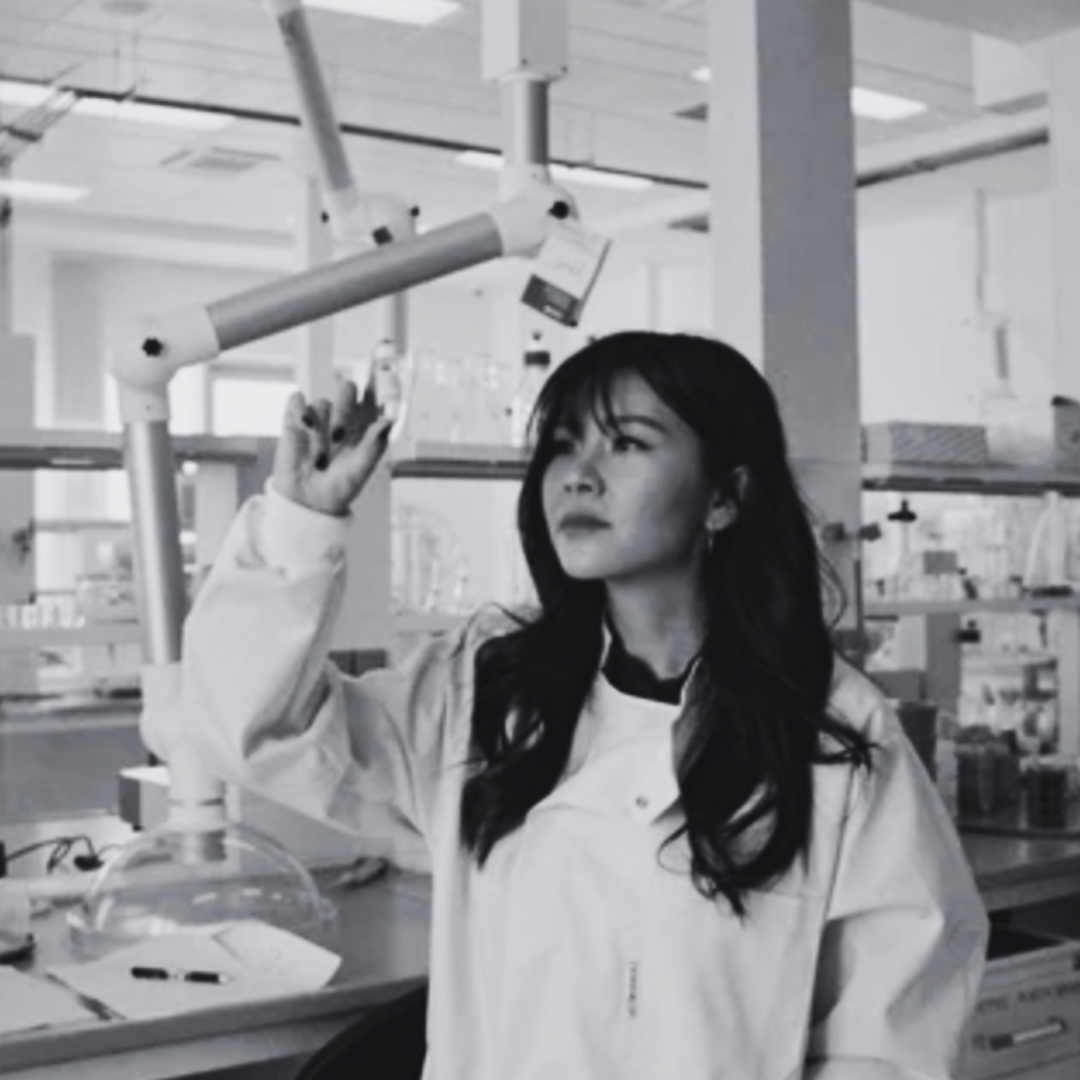
Did you know Collagen makes up more than 70% of your skin?
Mornings
Look tired in the morning?
Grab a Skinergy.
Focus
Feeling unproductive?
Grab a Skinergy.
Workout
Workout coming up?
Grab a Skinergy.
Evenings
All nighter ahead?
Grab a Skinergy.
Y E A R S
I N T H E
M A K I N G
Meet our 100 year old secret ingredient.
Great things aren’t rushed.
Our research partners have been perfecting the marine collagen peptides in SKINERGY since 1914.
Marine collagen peptides are ultra-small (less than 500 Dalton weight) collagen fragments designed for faster absorption to support skin strength and joint resilience.
Over a hundred years of expertise,
distilled into every sip.
Welcome to the age of smart beverages.
o u r
p e p t i d e s
Peptides are the building blocks of your body, they are made from short chains of Amino Acids.
Each can of Skinergy contains 18 Amino Acids:
Isoleucine (Ile)
Primarily supports muscle metabolism and immune function.
Histidine (His)
Supports skin barrier repair and acts as a precursor to the antioxidant histamine regulator carnosine.
Proline (Pro)
Essential for collagen production and maintaining skin firmness.
Threonine (Thr)
Helps support skin barrier proteins and collagen formation.
Serine (Ser)
Important for skin hydration and barrier function through phospholipid and ceramide synthesis.
Glutamic Acid (Glu)
Plays a key role in cellular metabolism and acts as a precursor for skin-protective antioxidants.
Alanine (Ala)
Primarily involved in energy metabolism rather than direct skin structure.
Aspartic Acid (Asp)
Primarily supports cellular energy production rather than directly impacting skin structure.
Cystine (Cys)
Supports keratin formation and antioxidant defense, benefiting skin and hair resilience.
Hydroxylysine (Hylys)
Critical for collagen cross-linking, improving skin strength and stability.
Isoleucine (Ile)
Primarily supports muscle metabolism and immune function.
Histidine (His)
Supports skin barrier repair and acts as a precursor to the antioxidant histamine regulator carnosine.
Proline (Pro)
Essential for collagen production and maintaining skin firmness.
Threonine (Thr)
Helps support skin barrier proteins and collagen formation.
Serine (Ser)
Important for skin hydration and barrier function through phospholipid and ceramide synthesis.
Glutamic Acid (Glu)
Plays a key role in cellular metabolism and acts as a precursor for skin-protective antioxidants.
Alanine (Ala)
Primarily involved in energy metabolism rather than direct skin structure.
Aspartic Acid (Asp)
Primarily supports cellular energy production rather than directly impacting skin structure.
Cystine (Cys)
Supports keratin formation and antioxidant defense, benefiting skin and hair resilience.
Hydroxylysine (Hylys)
Critical for collagen cross-linking, improving skin strength and stability.
Isoleucine (Ile)
Primarily supports muscle metabolism and immune function.
Histidine (His)
Supports skin barrier repair and acts as a precursor to the antioxidant histamine regulator carnosine.
Proline (Pro)
Essential for collagen production and maintaining skin firmness.
Threonine (Thr)
Helps support skin barrier proteins and collagen formation.
Serine (Ser)
Important for skin hydration and barrier function through phospholipid and ceramide synthesis.
Glutamic Acid (Glu)
Plays a key role in cellular metabolism and acts as a precursor for skin-protective antioxidants.
Alanine (Ala)
Primarily involved in energy metabolism rather than direct skin structure.
Aspartic Acid (Asp)
Primarily supports cellular energy production rather than directly impacting skin structure.
Cystine (Cys)
Supports keratin formation and antioxidant defense, benefiting skin and hair resilience.
Hydroxylysine (Hylys)
Critical for collagen cross-linking, improving skin strength and stability.
Isoleucine (Ile)
Primarily supports muscle metabolism and immune function.
Histidine (His)
Supports skin barrier repair and acts as a precursor to the antioxidant histamine regulator carnosine.
Proline (Pro)
Essential for collagen production and maintaining skin firmness.
Threonine (Thr)
Helps support skin barrier proteins and collagen formation.
Serine (Ser)
Important for skin hydration and barrier function through phospholipid and ceramide synthesis.
Glutamic Acid (Glu)
Plays a key role in cellular metabolism and acts as a precursor for skin-protective antioxidants.
Alanine (Ala)
Primarily involved in energy metabolism rather than direct skin structure.
Aspartic Acid (Asp)
Primarily supports cellular energy production rather than directly impacting skin structure.
Cystine (Cys)
Supports keratin formation and antioxidant defense, benefiting skin and hair resilience.
Hydroxylysine (Hylys)
Critical for collagen cross-linking, improving skin strength and stability.
Isoleucine (Ile)
Primarily supports muscle metabolism and immune function.
Histidine (His)
Supports skin barrier repair and acts as a precursor to the antioxidant histamine regulator carnosine.
Proline (Pro)
Essential for collagen production and maintaining skin firmness.
Threonine (Thr)
Helps support skin barrier proteins and collagen formation.
Serine (Ser)
Important for skin hydration and barrier function through phospholipid and ceramide synthesis.
Glutamic Acid (Glu)
Plays a key role in cellular metabolism and acts as a precursor for skin-protective antioxidants.
Alanine (Ala)
Primarily involved in energy metabolism rather than direct skin structure.
Aspartic Acid (Asp)
Primarily supports cellular energy production rather than directly impacting skin structure.
Cystine (Cys)
Supports keratin formation and antioxidant defense, benefiting skin and hair resilience.
Hydroxylysine (Hylys)
Critical for collagen cross-linking, improving skin strength and stability.
Isoleucine (Ile)
Primarily supports muscle metabolism and immune function.
Histidine (His)
Supports skin barrier repair and acts as a precursor to the antioxidant histamine regulator carnosine.
Proline (Pro)
Essential for collagen production and maintaining skin firmness.
Threonine (Thr)
Helps support skin barrier proteins and collagen formation.
Serine (Ser)
Important for skin hydration and barrier function through phospholipid and ceramide synthesis.
Glutamic Acid (Glu)
Plays a key role in cellular metabolism and acts as a precursor for skin-protective antioxidants.
Alanine (Ala)
Primarily involved in energy metabolism rather than direct skin structure.
Aspartic Acid (Asp)
Primarily supports cellular energy production rather than directly impacting skin structure.
Cystine (Cys)
Supports keratin formation and antioxidant defense, benefiting skin and hair resilience.
Hydroxylysine (Hylys)
Critical for collagen cross-linking, improving skin strength and stability.
Isoleucine (Ile)
Primarily supports muscle metabolism and immune function.
Histidine (His)
Supports skin barrier repair and acts as a precursor to the antioxidant histamine regulator carnosine.
Proline (Pro)
Essential for collagen production and maintaining skin firmness.
Threonine (Thr)
Helps support skin barrier proteins and collagen formation.
Serine (Ser)
Important for skin hydration and barrier function through phospholipid and ceramide synthesis.
Glutamic Acid (Glu)
Plays a key role in cellular metabolism and acts as a precursor for skin-protective antioxidants.
Alanine (Ala)
Primarily involved in energy metabolism rather than direct skin structure.
Aspartic Acid (Asp)
Primarily supports cellular energy production rather than directly impacting skin structure.
Cystine (Cys)
Supports keratin formation and antioxidant defense, benefiting skin and hair resilience.
Hydroxylysine (Hylys)
Critical for collagen cross-linking, improving skin strength and stability.
Isoleucine (Ile)
Primarily supports muscle metabolism and immune function.
Histidine (His)
Supports skin barrier repair and acts as a precursor to the antioxidant histamine regulator carnosine.
Proline (Pro)
Essential for collagen production and maintaining skin firmness.
Threonine (Thr)
Helps support skin barrier proteins and collagen formation.
Serine (Ser)
Important for skin hydration and barrier function through phospholipid and ceramide synthesis.
Glutamic Acid (Glu)
Plays a key role in cellular metabolism and acts as a precursor for skin-protective antioxidants.
Alanine (Ala)
Primarily involved in energy metabolism rather than direct skin structure.
Aspartic Acid (Asp)
Primarily supports cellular energy production rather than directly impacting skin structure.
Cystine (Cys)
Supports keratin formation and antioxidant defense, benefiting skin and hair resilience.
Hydroxylysine (Hylys)
Critical for collagen cross-linking, improving skin strength and stability.
Isoleucine (Ile)
Primarily supports muscle metabolism and immune function.
Histidine (His)
Supports skin barrier repair and acts as a precursor to the antioxidant histamine regulator carnosine.
Proline (Pro)
Essential for collagen production and maintaining skin firmness.
Threonine (Thr)
Helps support skin barrier proteins and collagen formation.
Serine (Ser)
Important for skin hydration and barrier function through phospholipid and ceramide synthesis.
Glutamic Acid (Glu)
Plays a key role in cellular metabolism and acts as a precursor for skin-protective antioxidants.
Alanine (Ala)
Primarily involved in energy metabolism rather than direct skin structure.
Aspartic Acid (Asp)
Primarily supports cellular energy production rather than directly impacting skin structure.
Cystine (Cys)
Supports keratin formation and antioxidant defense, benefiting skin and hair resilience.
Hydroxylysine (Hylys)
Critical for collagen cross-linking, improving skin strength and stability.
Isoleucine (Ile)
Primarily supports muscle metabolism and immune function.
Histidine (His)
Supports skin barrier repair and acts as a precursor to the antioxidant histamine regulator carnosine.
Proline (Pro)
Essential for collagen production and maintaining skin firmness.
Threonine (Thr)
Helps support skin barrier proteins and collagen formation.
Serine (Ser)
Important for skin hydration and barrier function through phospholipid and ceramide synthesis.
Glutamic Acid (Glu)
Plays a key role in cellular metabolism and acts as a precursor for skin-protective antioxidants.
Alanine (Ala)
Primarily involved in energy metabolism rather than direct skin structure.
Aspartic Acid (Asp)
Primarily supports cellular energy production rather than directly impacting skin structure.
Cystine (Cys)
Supports keratin formation and antioxidant defense, benefiting skin and hair resilience.
Hydroxylysine (Hylys)
Critical for collagen cross-linking, improving skin strength and stability.
Isoleucine (Ile)
Primarily supports muscle metabolism and immune function.
Histidine (His)
Supports skin barrier repair and acts as a precursor to the antioxidant histamine regulator carnosine.
Proline (Pro)
Essential for collagen production and maintaining skin firmness.
Threonine (Thr)
Helps support skin barrier proteins and collagen formation.
Serine (Ser)
Important for skin hydration and barrier function through phospholipid and ceramide synthesis.
Glutamic Acid (Glu)
Plays a key role in cellular metabolism and acts as a precursor for skin-protective antioxidants.
Alanine (Ala)
Primarily involved in energy metabolism rather than direct skin structure.
Aspartic Acid (Asp)
Primarily supports cellular energy production rather than directly impacting skin structure.
Cystine (Cys)
Supports keratin formation and antioxidant defense, benefiting skin and hair resilience.
Hydroxylysine (Hylys)
Critical for collagen cross-linking, improving skin strength and stability.
Isoleucine (Ile)
Primarily supports muscle metabolism and immune function.
Histidine (His)
Supports skin barrier repair and acts as a precursor to the antioxidant histamine regulator carnosine.
Proline (Pro)
Essential for collagen production and maintaining skin firmness.
Threonine (Thr)
Helps support skin barrier proteins and collagen formation.
Serine (Ser)
Important for skin hydration and barrier function through phospholipid and ceramide synthesis.
Glutamic Acid (Glu)
Plays a key role in cellular metabolism and acts as a precursor for skin-protective antioxidants.
Alanine (Ala)
Primarily involved in energy metabolism rather than direct skin structure.
Aspartic Acid (Asp)
Primarily supports cellular energy production rather than directly impacting skin structure.
Cystine (Cys)
Supports keratin formation and antioxidant defense, benefiting skin and hair resilience.
Hydroxylysine (Hylys)
Critical for collagen cross-linking, improving skin strength and stability.
Isoleucine (Ile)
Primarily supports muscle metabolism and immune function.
Histidine (His)
Supports skin barrier repair and acts as a precursor to the antioxidant histamine regulator carnosine.
Proline (Pro)
Essential for collagen production and maintaining skin firmness.
Threonine (Thr)
Helps support skin barrier proteins and collagen formation.
Serine (Ser)
Important for skin hydration and barrier function through phospholipid and ceramide synthesis.
Glutamic Acid (Glu)
Plays a key role in cellular metabolism and acts as a precursor for skin-protective antioxidants.
Alanine (Ala)
Primarily involved in energy metabolism rather than direct skin structure.
Aspartic Acid (Asp)
Primarily supports cellular energy production rather than directly impacting skin structure.
Cystine (Cys)
Supports keratin formation and antioxidant defense, benefiting skin and hair resilience.
Hydroxylysine (Hylys)
Critical for collagen cross-linking, improving skin strength and stability.
Isoleucine (Ile)
Primarily supports muscle metabolism and immune function.
Histidine (His)
Supports skin barrier repair and acts as a precursor to the antioxidant histamine regulator carnosine.
Proline (Pro)
Essential for collagen production and maintaining skin firmness.
Threonine (Thr)
Helps support skin barrier proteins and collagen formation.
Serine (Ser)
Important for skin hydration and barrier function through phospholipid and ceramide synthesis.
Glutamic Acid (Glu)
Plays a key role in cellular metabolism and acts as a precursor for skin-protective antioxidants.
Alanine (Ala)
Primarily involved in energy metabolism rather than direct skin structure.
Aspartic Acid (Asp)
Primarily supports cellular energy production rather than directly impacting skin structure.
Cystine (Cys)
Supports keratin formation and antioxidant defense, benefiting skin and hair resilience.
Hydroxylysine (Hylys)
Critical for collagen cross-linking, improving skin strength and stability.
Isoleucine (Ile)
Primarily supports muscle metabolism and immune function.
Histidine (His)
Supports skin barrier repair and acts as a precursor to the antioxidant histamine regulator carnosine.
Proline (Pro)
Essential for collagen production and maintaining skin firmness.
Threonine (Thr)
Helps support skin barrier proteins and collagen formation.
Serine (Ser)
Important for skin hydration and barrier function through phospholipid and ceramide synthesis.
Glutamic Acid (Glu)
Plays a key role in cellular metabolism and acts as a precursor for skin-protective antioxidants.
Alanine (Ala)
Primarily involved in energy metabolism rather than direct skin structure.
Aspartic Acid (Asp)
Primarily supports cellular energy production rather than directly impacting skin structure.
Cystine (Cys)
Supports keratin formation and antioxidant defense, benefiting skin and hair resilience.
Hydroxylysine (Hylys)
Critical for collagen cross-linking, improving skin strength and stability.
Isoleucine (Ile)
Primarily supports muscle metabolism and immune function.
Histidine (His)
Supports skin barrier repair and acts as a precursor to the antioxidant histamine regulator carnosine.
Proline (Pro)
Essential for collagen production and maintaining skin firmness.
Threonine (Thr)
Helps support skin barrier proteins and collagen formation.
Serine (Ser)
Important for skin hydration and barrier function through phospholipid and ceramide synthesis.
Glutamic Acid (Glu)
Plays a key role in cellular metabolism and acts as a precursor for skin-protective antioxidants.
Alanine (Ala)
Primarily involved in energy metabolism rather than direct skin structure.
Aspartic Acid (Asp)
Primarily supports cellular energy production rather than directly impacting skin structure.
Cystine (Cys)
Supports keratin formation and antioxidant defense, benefiting skin and hair resilience.
Hydroxylysine (Hylys)
Critical for collagen cross-linking, improving skin strength and stability.
Isoleucine (Ile)
Primarily supports muscle metabolism and immune function.
Histidine (His)
Supports skin barrier repair and acts as a precursor to the antioxidant histamine regulator carnosine.
Proline (Pro)
Essential for collagen production and maintaining skin firmness.
Threonine (Thr)
Helps support skin barrier proteins and collagen formation.
Serine (Ser)
Important for skin hydration and barrier function through phospholipid and ceramide synthesis.
Glutamic Acid (Glu)
Plays a key role in cellular metabolism and acts as a precursor for skin-protective antioxidants.
Alanine (Ala)
Primarily involved in energy metabolism rather than direct skin structure.
Aspartic Acid (Asp)
Primarily supports cellular energy production rather than directly impacting skin structure.
Cystine (Cys)
Supports keratin formation and antioxidant defense, benefiting skin and hair resilience.
Hydroxylysine (Hylys)
Critical for collagen cross-linking, improving skin strength and stability.
Isoleucine (Ile)
Primarily supports muscle metabolism and immune function.
Histidine (His)
Supports skin barrier repair and acts as a precursor to the antioxidant histamine regulator carnosine.
Proline (Pro)
Essential for collagen production and maintaining skin firmness.
Threonine (Thr)
Helps support skin barrier proteins and collagen formation.
Serine (Ser)
Important for skin hydration and barrier function through phospholipid and ceramide synthesis.
Glutamic Acid (Glu)
Plays a key role in cellular metabolism and acts as a precursor for skin-protective antioxidants.
Alanine (Ala)
Primarily involved in energy metabolism rather than direct skin structure.
Aspartic Acid (Asp)
Primarily supports cellular energy production rather than directly impacting skin structure.
Cystine (Cys)
Supports keratin formation and antioxidant defense, benefiting skin and hair resilience.
Hydroxylysine (Hylys)
Critical for collagen cross-linking, improving skin strength and stability.
Isoleucine (Ile)
Primarily supports muscle metabolism and immune function.
Histidine (His)
Supports skin barrier repair and acts as a precursor to the antioxidant histamine regulator carnosine.
Proline (Pro)
Essential for collagen production and maintaining skin firmness.
Threonine (Thr)
Helps support skin barrier proteins and collagen formation.
Serine (Ser)
Important for skin hydration and barrier function through phospholipid and ceramide synthesis.
Glutamic Acid (Glu)
Plays a key role in cellular metabolism and acts as a precursor for skin-protective antioxidants.
Alanine (Ala)
Primarily involved in energy metabolism rather than direct skin structure.
Aspartic Acid (Asp)
Primarily supports cellular energy production rather than directly impacting skin structure.
Cystine (Cys)
Supports keratin formation and antioxidant defense, benefiting skin and hair resilience.
Hydroxylysine (Hylys)
Critical for collagen cross-linking, improving skin strength and stability.
Isoleucine (Ile)
Primarily supports muscle metabolism and immune function.
Histidine (His)
Supports skin barrier repair and acts as a precursor to the antioxidant histamine regulator carnosine.
Proline (Pro)
Essential for collagen production and maintaining skin firmness.
Threonine (Thr)
Helps support skin barrier proteins and collagen formation.
Serine (Ser)
Important for skin hydration and barrier function through phospholipid and ceramide synthesis.
Glutamic Acid (Glu)
Plays a key role in cellular metabolism and acts as a precursor for skin-protective antioxidants.
Alanine (Ala)
Primarily involved in energy metabolism rather than direct skin structure.
Aspartic Acid (Asp)
Primarily supports cellular energy production rather than directly impacting skin structure.
Cystine (Cys)
Supports keratin formation and antioxidant defense, benefiting skin and hair resilience.
Hydroxylysine (Hylys)
Critical for collagen cross-linking, improving skin strength and stability.
Isoleucine (Ile)
Primarily supports muscle metabolism and immune function.
Histidine (His)
Supports skin barrier repair and acts as a precursor to the antioxidant histamine regulator carnosine.
Proline (Pro)
Essential for collagen production and maintaining skin firmness.
Threonine (Thr)
Helps support skin barrier proteins and collagen formation.
Serine (Ser)
Important for skin hydration and barrier function through phospholipid and ceramide synthesis.
Glutamic Acid (Glu)
Plays a key role in cellular metabolism and acts as a precursor for skin-protective antioxidants.
Alanine (Ala)
Primarily involved in energy metabolism rather than direct skin structure.
Aspartic Acid (Asp)
Primarily supports cellular energy production rather than directly impacting skin structure.
Cystine (Cys)
Supports keratin formation and antioxidant defense, benefiting skin and hair resilience.
Hydroxylysine (Hylys)
Critical for collagen cross-linking, improving skin strength and stability.
Isoleucine (Ile)
Primarily supports muscle metabolism and immune function.
Histidine (His)
Supports skin barrier repair and acts as a precursor to the antioxidant histamine regulator carnosine.
Proline (Pro)
Essential for collagen production and maintaining skin firmness.
Threonine (Thr)
Helps support skin barrier proteins and collagen formation.
Serine (Ser)
Important for skin hydration and barrier function through phospholipid and ceramide synthesis.
Glutamic Acid (Glu)
Plays a key role in cellular metabolism and acts as a precursor for skin-protective antioxidants.
Alanine (Ala)
Primarily involved in energy metabolism rather than direct skin structure.
Aspartic Acid (Asp)
Primarily supports cellular energy production rather than directly impacting skin structure.
Cystine (Cys)
Supports keratin formation and antioxidant defense, benefiting skin and hair resilience.
Hydroxylysine (Hylys)
Critical for collagen cross-linking, improving skin strength and stability.
Isoleucine (Ile)
Primarily supports muscle metabolism and immune function.
Histidine (His)
Supports skin barrier repair and acts as a precursor to the antioxidant histamine regulator carnosine.
Proline (Pro)
Essential for collagen production and maintaining skin firmness.
Threonine (Thr)
Helps support skin barrier proteins and collagen formation.
Serine (Ser)
Important for skin hydration and barrier function through phospholipid and ceramide synthesis.
Glutamic Acid (Glu)
Plays a key role in cellular metabolism and acts as a precursor for skin-protective antioxidants.
Alanine (Ala)
Primarily involved in energy metabolism rather than direct skin structure.
Aspartic Acid (Asp)
Primarily supports cellular energy production rather than directly impacting skin structure.
Cystine (Cys)
Supports keratin formation and antioxidant defense, benefiting skin and hair resilience.
Hydroxylysine (Hylys)
Critical for collagen cross-linking, improving skin strength and stability.
Isoleucine (Ile)
Primarily supports muscle metabolism and immune function.
Histidine (His)
Supports skin barrier repair and acts as a precursor to the antioxidant histamine regulator carnosine.
Proline (Pro)
Essential for collagen production and maintaining skin firmness.
Threonine (Thr)
Helps support skin barrier proteins and collagen formation.
Serine (Ser)
Important for skin hydration and barrier function through phospholipid and ceramide synthesis.
Glutamic Acid (Glu)
Plays a key role in cellular metabolism and acts as a precursor for skin-protective antioxidants.
Alanine (Ala)
Primarily involved in energy metabolism rather than direct skin structure.
Aspartic Acid (Asp)
Primarily supports cellular energy production rather than directly impacting skin structure.
Cystine (Cys)
Supports keratin formation and antioxidant defense, benefiting skin and hair resilience.
Hydroxylysine (Hylys)
Critical for collagen cross-linking, improving skin strength and stability.
Isoleucine (Ile)
Primarily supports muscle metabolism and immune function.
Histidine (His)
Supports skin barrier repair and acts as a precursor to the antioxidant histamine regulator carnosine.
Proline (Pro)
Essential for collagen production and maintaining skin firmness.
Threonine (Thr)
Helps support skin barrier proteins and collagen formation.
Serine (Ser)
Important for skin hydration and barrier function through phospholipid and ceramide synthesis.
Glutamic Acid (Glu)
Plays a key role in cellular metabolism and acts as a precursor for skin-protective antioxidants.
Alanine (Ala)
Primarily involved in energy metabolism rather than direct skin structure.
Aspartic Acid (Asp)
Primarily supports cellular energy production rather than directly impacting skin structure.
Cystine (Cys)
Supports keratin formation and antioxidant defense, benefiting skin and hair resilience.
Hydroxylysine (Hylys)
Critical for collagen cross-linking, improving skin strength and stability.
Isoleucine (Ile)
Primarily supports muscle metabolism and immune function.
Histidine (His)
Supports skin barrier repair and acts as a precursor to the antioxidant histamine regulator carnosine.
Proline (Pro)
Essential for collagen production and maintaining skin firmness.
Threonine (Thr)
Helps support skin barrier proteins and collagen formation.
Serine (Ser)
Important for skin hydration and barrier function through phospholipid and ceramide synthesis.
Glutamic Acid (Glu)
Plays a key role in cellular metabolism and acts as a precursor for skin-protective antioxidants.
Alanine (Ala)
Primarily involved in energy metabolism rather than direct skin structure.
Aspartic Acid (Asp)
Primarily supports cellular energy production rather than directly impacting skin structure.
Cystine (Cys)
Supports keratin formation and antioxidant defense, benefiting skin and hair resilience.
Hydroxylysine (Hylys)
Critical for collagen cross-linking, improving skin strength and stability.
Isoleucine (Ile)
Primarily supports muscle metabolism and immune function.
Histidine (His)
Supports skin barrier repair and acts as a precursor to the antioxidant histamine regulator carnosine.
Proline (Pro)
Essential for collagen production and maintaining skin firmness.
Threonine (Thr)
Helps support skin barrier proteins and collagen formation.
Serine (Ser)
Important for skin hydration and barrier function through phospholipid and ceramide synthesis.
Glutamic Acid (Glu)
Plays a key role in cellular metabolism and acts as a precursor for skin-protective antioxidants.
Alanine (Ala)
Primarily involved in energy metabolism rather than direct skin structure.
Aspartic Acid (Asp)
Primarily supports cellular energy production rather than directly impacting skin structure.
Cystine (Cys)
Supports keratin formation and antioxidant defense, benefiting skin and hair resilience.
Hydroxylysine (Hylys)
Critical for collagen cross-linking, improving skin strength and stability.
Isoleucine (Ile)
Primarily supports muscle metabolism and immune function.
Histidine (His)
Supports skin barrier repair and acts as a precursor to the antioxidant histamine regulator carnosine.
Proline (Pro)
Essential for collagen production and maintaining skin firmness.
Threonine (Thr)
Helps support skin barrier proteins and collagen formation.
Serine (Ser)
Important for skin hydration and barrier function through phospholipid and ceramide synthesis.
Glutamic Acid (Glu)
Plays a key role in cellular metabolism and acts as a precursor for skin-protective antioxidants.
Alanine (Ala)
Primarily involved in energy metabolism rather than direct skin structure.
Aspartic Acid (Asp)
Primarily supports cellular energy production rather than directly impacting skin structure.
Cystine (Cys)
Supports keratin formation and antioxidant defense, benefiting skin and hair resilience.
Hydroxylysine (Hylys)
Critical for collagen cross-linking, improving skin strength and stability.
Isoleucine (Ile)
Primarily supports muscle metabolism and immune function.
Histidine (His)
Supports skin barrier repair and acts as a precursor to the antioxidant histamine regulator carnosine.
Proline (Pro)
Essential for collagen production and maintaining skin firmness.
Threonine (Thr)
Helps support skin barrier proteins and collagen formation.
Serine (Ser)
Important for skin hydration and barrier function through phospholipid and ceramide synthesis.
Glutamic Acid (Glu)
Plays a key role in cellular metabolism and acts as a precursor for skin-protective antioxidants.
Alanine (Ala)
Primarily involved in energy metabolism rather than direct skin structure.
Aspartic Acid (Asp)
Primarily supports cellular energy production rather than directly impacting skin structure.
Cystine (Cys)
Supports keratin formation and antioxidant defense, benefiting skin and hair resilience.
Hydroxylysine (Hylys)
Critical for collagen cross-linking, improving skin strength and stability.
Isoleucine (Ile)
Primarily supports muscle metabolism and immune function.
Histidine (His)
Supports skin barrier repair and acts as a precursor to the antioxidant histamine regulator carnosine.
Proline (Pro)
Essential for collagen production and maintaining skin firmness.
Threonine (Thr)
Helps support skin barrier proteins and collagen formation.
Serine (Ser)
Important for skin hydration and barrier function through phospholipid and ceramide synthesis.
Glutamic Acid (Glu)
Plays a key role in cellular metabolism and acts as a precursor for skin-protective antioxidants.
Alanine (Ala)
Primarily involved in energy metabolism rather than direct skin structure.
Aspartic Acid (Asp)
Primarily supports cellular energy production rather than directly impacting skin structure.
Cystine (Cys)
Supports keratin formation and antioxidant defense, benefiting skin and hair resilience.
Hydroxylysine (Hylys)
Critical for collagen cross-linking, improving skin strength and stability.
Isoleucine (Ile)
Primarily supports muscle metabolism and immune function.
Histidine (His)
Supports skin barrier repair and acts as a precursor to the antioxidant histamine regulator carnosine.
Proline (Pro)
Essential for collagen production and maintaining skin firmness.
Threonine (Thr)
Helps support skin barrier proteins and collagen formation.
Serine (Ser)
Important for skin hydration and barrier function through phospholipid and ceramide synthesis.
Glutamic Acid (Glu)
Plays a key role in cellular metabolism and acts as a precursor for skin-protective antioxidants.
Alanine (Ala)
Primarily involved in energy metabolism rather than direct skin structure.
Aspartic Acid (Asp)
Primarily supports cellular energy production rather than directly impacting skin structure.
Cystine (Cys)
Supports keratin formation and antioxidant defense, benefiting skin and hair resilience.
Hydroxylysine (Hylys)
Critical for collagen cross-linking, improving skin strength and stability.
Isoleucine (Ile)
Primarily supports muscle metabolism and immune function.
Histidine (His)
Supports skin barrier repair and acts as a precursor to the antioxidant histamine regulator carnosine.
Proline (Pro)
Essential for collagen production and maintaining skin firmness.
Threonine (Thr)
Helps support skin barrier proteins and collagen formation.
Serine (Ser)
Important for skin hydration and barrier function through phospholipid and ceramide synthesis.
Glutamic Acid (Glu)
Plays a key role in cellular metabolism and acts as a precursor for skin-protective antioxidants.
Alanine (Ala)
Primarily involved in energy metabolism rather than direct skin structure.
Aspartic Acid (Asp)
Primarily supports cellular energy production rather than directly impacting skin structure.
Cystine (Cys)
Supports keratin formation and antioxidant defense, benefiting skin and hair resilience.
Hydroxylysine (Hylys)
Critical for collagen cross-linking, improving skin strength and stability.
Isoleucine (Ile)
Primarily supports muscle metabolism and immune function.
Histidine (His)
Supports skin barrier repair and acts as a precursor to the antioxidant histamine regulator carnosine.
Proline (Pro)
Essential for collagen production and maintaining skin firmness.
Threonine (Thr)
Helps support skin barrier proteins and collagen formation.
Serine (Ser)
Important for skin hydration and barrier function through phospholipid and ceramide synthesis.
Glutamic Acid (Glu)
Plays a key role in cellular metabolism and acts as a precursor for skin-protective antioxidants.
Alanine (Ala)
Primarily involved in energy metabolism rather than direct skin structure.
Aspartic Acid (Asp)
Primarily supports cellular energy production rather than directly impacting skin structure.
Cystine (Cys)
Supports keratin formation and antioxidant defense, benefiting skin and hair resilience.
Hydroxylysine (Hylys)
Critical for collagen cross-linking, improving skin strength and stability.
Isoleucine (Ile)
Primarily supports muscle metabolism and immune function.
Histidine (His)
Supports skin barrier repair and acts as a precursor to the antioxidant histamine regulator carnosine.
Proline (Pro)
Essential for collagen production and maintaining skin firmness.
Threonine (Thr)
Helps support skin barrier proteins and collagen formation.
Serine (Ser)
Important for skin hydration and barrier function through phospholipid and ceramide synthesis.
Glutamic Acid (Glu)
Plays a key role in cellular metabolism and acts as a precursor for skin-protective antioxidants.
Alanine (Ala)
Primarily involved in energy metabolism rather than direct skin structure.
Aspartic Acid (Asp)
Primarily supports cellular energy production rather than directly impacting skin structure.
Cystine (Cys)
Supports keratin formation and antioxidant defense, benefiting skin and hair resilience.
Hydroxylysine (Hylys)
Critical for collagen cross-linking, improving skin strength and stability.
Isoleucine (Ile)
Primarily supports muscle metabolism and immune function.
Histidine (His)
Supports skin barrier repair and acts as a precursor to the antioxidant histamine regulator carnosine.
Proline (Pro)
Essential for collagen production and maintaining skin firmness.
Threonine (Thr)
Helps support skin barrier proteins and collagen formation.
Serine (Ser)
Important for skin hydration and barrier function through phospholipid and ceramide synthesis.
Glutamic Acid (Glu)
Plays a key role in cellular metabolism and acts as a precursor for skin-protective antioxidants.
Alanine (Ala)
Primarily involved in energy metabolism rather than direct skin structure.
Aspartic Acid (Asp)
Primarily supports cellular energy production rather than directly impacting skin structure.
Cystine (Cys)
Supports keratin formation and antioxidant defense, benefiting skin and hair resilience.
Hydroxylysine (Hylys)
Critical for collagen cross-linking, improving skin strength and stability.
Isoleucine (Ile)
Primarily supports muscle metabolism and immune function.
Histidine (His)
Supports skin barrier repair and acts as a precursor to the antioxidant histamine regulator carnosine.
Proline (Pro)
Essential for collagen production and maintaining skin firmness.
Threonine (Thr)
Helps support skin barrier proteins and collagen formation.
Serine (Ser)
Important for skin hydration and barrier function through phospholipid and ceramide synthesis.
Glutamic Acid (Glu)
Plays a key role in cellular metabolism and acts as a precursor for skin-protective antioxidants.
Alanine (Ala)
Primarily involved in energy metabolism rather than direct skin structure.
Aspartic Acid (Asp)
Primarily supports cellular energy production rather than directly impacting skin structure.
Cystine (Cys)
Supports keratin formation and antioxidant defense, benefiting skin and hair resilience.
Hydroxylysine (Hylys)
Critical for collagen cross-linking, improving skin strength and stability.
Isoleucine (Ile)
Primarily supports muscle metabolism and immune function.
Histidine (His)
Supports skin barrier repair and acts as a precursor to the antioxidant histamine regulator carnosine.
Proline (Pro)
Essential for collagen production and maintaining skin firmness.
Threonine (Thr)
Helps support skin barrier proteins and collagen formation.
Serine (Ser)
Important for skin hydration and barrier function through phospholipid and ceramide synthesis.
Glutamic Acid (Glu)
Plays a key role in cellular metabolism and acts as a precursor for skin-protective antioxidants.
Alanine (Ala)
Primarily involved in energy metabolism rather than direct skin structure.
Aspartic Acid (Asp)
Primarily supports cellular energy production rather than directly impacting skin structure.
Cystine (Cys)
Supports keratin formation and antioxidant defense, benefiting skin and hair resilience.
Hydroxylysine (Hylys)
Critical for collagen cross-linking, improving skin strength and stability.
Isoleucine (Ile)
Primarily supports muscle metabolism and immune function.
Histidine (His)
Supports skin barrier repair and acts as a precursor to the antioxidant histamine regulator carnosine.
Proline (Pro)
Essential for collagen production and maintaining skin firmness.
Threonine (Thr)
Helps support skin barrier proteins and collagen formation.
Serine (Ser)
Important for skin hydration and barrier function through phospholipid and ceramide synthesis.
Glutamic Acid (Glu)
Plays a key role in cellular metabolism and acts as a precursor for skin-protective antioxidants.
Alanine (Ala)
Primarily involved in energy metabolism rather than direct skin structure.
Aspartic Acid (Asp)
Primarily supports cellular energy production rather than directly impacting skin structure.
Cystine (Cys)
Supports keratin formation and antioxidant defense, benefiting skin and hair resilience.
Hydroxylysine (Hylys)
Critical for collagen cross-linking, improving skin strength and stability.
Isoleucine (Ile)
Primarily supports muscle metabolism and immune function.
Histidine (His)
Supports skin barrier repair and acts as a precursor to the antioxidant histamine regulator carnosine.
Proline (Pro)
Essential for collagen production and maintaining skin firmness.
Threonine (Thr)
Helps support skin barrier proteins and collagen formation.
Serine (Ser)
Important for skin hydration and barrier function through phospholipid and ceramide synthesis.
Glutamic Acid (Glu)
Plays a key role in cellular metabolism and acts as a precursor for skin-protective antioxidants.
Alanine (Ala)
Primarily involved in energy metabolism rather than direct skin structure.
Aspartic Acid (Asp)
Primarily supports cellular energy production rather than directly impacting skin structure.
Cystine (Cys)
Supports keratin formation and antioxidant defense, benefiting skin and hair resilience.
Hydroxylysine (Hylys)
Critical for collagen cross-linking, improving skin strength and stability.
Isoleucine (Ile)
Primarily supports muscle metabolism and immune function.
Histidine (His)
Supports skin barrier repair and acts as a precursor to the antioxidant histamine regulator carnosine.
Proline (Pro)
Essential for collagen production and maintaining skin firmness.
Threonine (Thr)
Helps support skin barrier proteins and collagen formation.
Serine (Ser)
Important for skin hydration and barrier function through phospholipid and ceramide synthesis.
Glutamic Acid (Glu)
Plays a key role in cellular metabolism and acts as a precursor for skin-protective antioxidants.
Alanine (Ala)
Primarily involved in energy metabolism rather than direct skin structure.
Aspartic Acid (Asp)
Primarily supports cellular energy production rather than directly impacting skin structure.
Cystine (Cys)
Supports keratin formation and antioxidant defense, benefiting skin and hair resilience.
Hydroxylysine (Hylys)
Critical for collagen cross-linking, improving skin strength and stability.
Hydroproxyproline (Hyp)
A major structural component of collagen that stabilizes and strengthens the skin’s matrix.
Glycine (Gly)
The most abundant amino acid in collagen, critical for skin elasticity and strength.
Leucine (Leu)
Key regulator of muscle protein synthesis rather than skin-specific structure.
Arginine (Arg)
Enhances blood flow and wound healing, supporting skin repair.
Lysine (Lys)
Essential for collagen synthesis and structural integrity of skin.
Tyrosine (Tyr)
Precursor to melanin and neurotransmitters, influencing pigmentation and stress response.
Methionine (Met)
Supports detoxification and antioxidant pathways that indirectly protect skin.
Phenylalanine (Phe)
Precursor to tyrosine and neurotransmitters, indirectly affecting skin through pigmentation pathways.
Valine (Val)
A branched-chain amino acid mainly involved in muscle repair and energy.
Hydroproxyproline (Hyp)
A major structural component of collagen that stabilizes and strengthens the skin’s matrix.
Glycine (Gly)
The most abundant amino acid in collagen, critical for skin elasticity and strength.
Leucine (Leu)
Key regulator of muscle protein synthesis rather than skin-specific structure.
Arginine (Arg)
Enhances blood flow and wound healing, supporting skin repair.
Lysine (Lys)
Essential for collagen synthesis and structural integrity of skin.
Tyrosine (Tyr)
Precursor to melanin and neurotransmitters, influencing pigmentation and stress response.
Methionine (Met)
Supports detoxification and antioxidant pathways that indirectly protect skin.
Phenylalanine (Phe)
Precursor to tyrosine and neurotransmitters, indirectly affecting skin through pigmentation pathways.
Valine (Val)
A branched-chain amino acid mainly involved in muscle repair and energy.
Hydroproxyproline (Hyp)
A major structural component of collagen that stabilizes and strengthens the skin’s matrix.
Glycine (Gly)
The most abundant amino acid in collagen, critical for skin elasticity and strength.
Leucine (Leu)
Key regulator of muscle protein synthesis rather than skin-specific structure.
Arginine (Arg)
Enhances blood flow and wound healing, supporting skin repair.
Lysine (Lys)
Essential for collagen synthesis and structural integrity of skin.
Tyrosine (Tyr)
Precursor to melanin and neurotransmitters, influencing pigmentation and stress response.
Methionine (Met)
Supports detoxification and antioxidant pathways that indirectly protect skin.
Phenylalanine (Phe)
Precursor to tyrosine and neurotransmitters, indirectly affecting skin through pigmentation pathways.
Valine (Val)
A branched-chain amino acid mainly involved in muscle repair and energy.
Hydroproxyproline (Hyp)
A major structural component of collagen that stabilizes and strengthens the skin’s matrix.
Glycine (Gly)
The most abundant amino acid in collagen, critical for skin elasticity and strength.
Leucine (Leu)
Key regulator of muscle protein synthesis rather than skin-specific structure.
Arginine (Arg)
Enhances blood flow and wound healing, supporting skin repair.
Lysine (Lys)
Essential for collagen synthesis and structural integrity of skin.
Tyrosine (Tyr)
Precursor to melanin and neurotransmitters, influencing pigmentation and stress response.
Methionine (Met)
Supports detoxification and antioxidant pathways that indirectly protect skin.
Phenylalanine (Phe)
Precursor to tyrosine and neurotransmitters, indirectly affecting skin through pigmentation pathways.
Valine (Val)
A branched-chain amino acid mainly involved in muscle repair and energy.
Hydroproxyproline (Hyp)
A major structural component of collagen that stabilizes and strengthens the skin’s matrix.
Glycine (Gly)
The most abundant amino acid in collagen, critical for skin elasticity and strength.
Leucine (Leu)
Key regulator of muscle protein synthesis rather than skin-specific structure.
Arginine (Arg)
Enhances blood flow and wound healing, supporting skin repair.
Lysine (Lys)
Essential for collagen synthesis and structural integrity of skin.
Tyrosine (Tyr)
Precursor to melanin and neurotransmitters, influencing pigmentation and stress response.
Methionine (Met)
Supports detoxification and antioxidant pathways that indirectly protect skin.
Phenylalanine (Phe)
Precursor to tyrosine and neurotransmitters, indirectly affecting skin through pigmentation pathways.
Valine (Val)
A branched-chain amino acid mainly involved in muscle repair and energy.
Hydroproxyproline (Hyp)
A major structural component of collagen that stabilizes and strengthens the skin’s matrix.
Glycine (Gly)
The most abundant amino acid in collagen, critical for skin elasticity and strength.
Leucine (Leu)
Key regulator of muscle protein synthesis rather than skin-specific structure.
Arginine (Arg)
Enhances blood flow and wound healing, supporting skin repair.
Lysine (Lys)
Essential for collagen synthesis and structural integrity of skin.
Tyrosine (Tyr)
Precursor to melanin and neurotransmitters, influencing pigmentation and stress response.
Methionine (Met)
Supports detoxification and antioxidant pathways that indirectly protect skin.
Phenylalanine (Phe)
Precursor to tyrosine and neurotransmitters, indirectly affecting skin through pigmentation pathways.
Valine (Val)
A branched-chain amino acid mainly involved in muscle repair and energy.
Hydroproxyproline (Hyp)
A major structural component of collagen that stabilizes and strengthens the skin’s matrix.
Glycine (Gly)
The most abundant amino acid in collagen, critical for skin elasticity and strength.
Leucine (Leu)
Key regulator of muscle protein synthesis rather than skin-specific structure.
Arginine (Arg)
Enhances blood flow and wound healing, supporting skin repair.
Lysine (Lys)
Essential for collagen synthesis and structural integrity of skin.
Tyrosine (Tyr)
Precursor to melanin and neurotransmitters, influencing pigmentation and stress response.
Methionine (Met)
Supports detoxification and antioxidant pathways that indirectly protect skin.
Phenylalanine (Phe)
Precursor to tyrosine and neurotransmitters, indirectly affecting skin through pigmentation pathways.
Valine (Val)
A branched-chain amino acid mainly involved in muscle repair and energy.
Hydroproxyproline (Hyp)
A major structural component of collagen that stabilizes and strengthens the skin’s matrix.
Glycine (Gly)
The most abundant amino acid in collagen, critical for skin elasticity and strength.
Leucine (Leu)
Key regulator of muscle protein synthesis rather than skin-specific structure.
Arginine (Arg)
Enhances blood flow and wound healing, supporting skin repair.
Lysine (Lys)
Essential for collagen synthesis and structural integrity of skin.
Tyrosine (Tyr)
Precursor to melanin and neurotransmitters, influencing pigmentation and stress response.
Methionine (Met)
Supports detoxification and antioxidant pathways that indirectly protect skin.
Phenylalanine (Phe)
Precursor to tyrosine and neurotransmitters, indirectly affecting skin through pigmentation pathways.
Valine (Val)
A branched-chain amino acid mainly involved in muscle repair and energy.
Hydroproxyproline (Hyp)
A major structural component of collagen that stabilizes and strengthens the skin’s matrix.
Glycine (Gly)
The most abundant amino acid in collagen, critical for skin elasticity and strength.
Leucine (Leu)
Key regulator of muscle protein synthesis rather than skin-specific structure.
Arginine (Arg)
Enhances blood flow and wound healing, supporting skin repair.
Lysine (Lys)
Essential for collagen synthesis and structural integrity of skin.
Tyrosine (Tyr)
Precursor to melanin and neurotransmitters, influencing pigmentation and stress response.
Methionine (Met)
Supports detoxification and antioxidant pathways that indirectly protect skin.
Phenylalanine (Phe)
Precursor to tyrosine and neurotransmitters, indirectly affecting skin through pigmentation pathways.
Valine (Val)
A branched-chain amino acid mainly involved in muscle repair and energy.
Hydroproxyproline (Hyp)
A major structural component of collagen that stabilizes and strengthens the skin’s matrix.
Glycine (Gly)
The most abundant amino acid in collagen, critical for skin elasticity and strength.
Leucine (Leu)
Key regulator of muscle protein synthesis rather than skin-specific structure.
Arginine (Arg)
Enhances blood flow and wound healing, supporting skin repair.
Lysine (Lys)
Essential for collagen synthesis and structural integrity of skin.
Tyrosine (Tyr)
Precursor to melanin and neurotransmitters, influencing pigmentation and stress response.
Methionine (Met)
Supports detoxification and antioxidant pathways that indirectly protect skin.
Phenylalanine (Phe)
Precursor to tyrosine and neurotransmitters, indirectly affecting skin through pigmentation pathways.
Valine (Val)
A branched-chain amino acid mainly involved in muscle repair and energy.
Hydroproxyproline (Hyp)
A major structural component of collagen that stabilizes and strengthens the skin’s matrix.
Glycine (Gly)
The most abundant amino acid in collagen, critical for skin elasticity and strength.
Leucine (Leu)
Key regulator of muscle protein synthesis rather than skin-specific structure.
Arginine (Arg)
Enhances blood flow and wound healing, supporting skin repair.
Lysine (Lys)
Essential for collagen synthesis and structural integrity of skin.
Tyrosine (Tyr)
Precursor to melanin and neurotransmitters, influencing pigmentation and stress response.
Methionine (Met)
Supports detoxification and antioxidant pathways that indirectly protect skin.
Phenylalanine (Phe)
Precursor to tyrosine and neurotransmitters, indirectly affecting skin through pigmentation pathways.
Valine (Val)
A branched-chain amino acid mainly involved in muscle repair and energy.
Hydroproxyproline (Hyp)
A major structural component of collagen that stabilizes and strengthens the skin’s matrix.
Glycine (Gly)
The most abundant amino acid in collagen, critical for skin elasticity and strength.
Leucine (Leu)
Key regulator of muscle protein synthesis rather than skin-specific structure.
Arginine (Arg)
Enhances blood flow and wound healing, supporting skin repair.
Lysine (Lys)
Essential for collagen synthesis and structural integrity of skin.
Tyrosine (Tyr)
Precursor to melanin and neurotransmitters, influencing pigmentation and stress response.
Methionine (Met)
Supports detoxification and antioxidant pathways that indirectly protect skin.
Phenylalanine (Phe)
Precursor to tyrosine and neurotransmitters, indirectly affecting skin through pigmentation pathways.
Valine (Val)
A branched-chain amino acid mainly involved in muscle repair and energy.
Hydroproxyproline (Hyp)
A major structural component of collagen that stabilizes and strengthens the skin’s matrix.
Glycine (Gly)
The most abundant amino acid in collagen, critical for skin elasticity and strength.
Leucine (Leu)
Key regulator of muscle protein synthesis rather than skin-specific structure.
Arginine (Arg)
Enhances blood flow and wound healing, supporting skin repair.
Lysine (Lys)
Essential for collagen synthesis and structural integrity of skin.
Tyrosine (Tyr)
Precursor to melanin and neurotransmitters, influencing pigmentation and stress response.
Methionine (Met)
Supports detoxification and antioxidant pathways that indirectly protect skin.
Phenylalanine (Phe)
Precursor to tyrosine and neurotransmitters, indirectly affecting skin through pigmentation pathways.
Valine (Val)
A branched-chain amino acid mainly involved in muscle repair and energy.
Hydroproxyproline (Hyp)
A major structural component of collagen that stabilizes and strengthens the skin’s matrix.
Glycine (Gly)
The most abundant amino acid in collagen, critical for skin elasticity and strength.
Leucine (Leu)
Key regulator of muscle protein synthesis rather than skin-specific structure.
Arginine (Arg)
Enhances blood flow and wound healing, supporting skin repair.
Lysine (Lys)
Essential for collagen synthesis and structural integrity of skin.
Tyrosine (Tyr)
Precursor to melanin and neurotransmitters, influencing pigmentation and stress response.
Methionine (Met)
Supports detoxification and antioxidant pathways that indirectly protect skin.
Phenylalanine (Phe)
Precursor to tyrosine and neurotransmitters, indirectly affecting skin through pigmentation pathways.
Valine (Val)
A branched-chain amino acid mainly involved in muscle repair and energy.
Hydroproxyproline (Hyp)
A major structural component of collagen that stabilizes and strengthens the skin’s matrix.
Glycine (Gly)
The most abundant amino acid in collagen, critical for skin elasticity and strength.
Leucine (Leu)
Key regulator of muscle protein synthesis rather than skin-specific structure.
Arginine (Arg)
Enhances blood flow and wound healing, supporting skin repair.
Lysine (Lys)
Essential for collagen synthesis and structural integrity of skin.
Tyrosine (Tyr)
Precursor to melanin and neurotransmitters, influencing pigmentation and stress response.
Methionine (Met)
Supports detoxification and antioxidant pathways that indirectly protect skin.
Phenylalanine (Phe)
Precursor to tyrosine and neurotransmitters, indirectly affecting skin through pigmentation pathways.
Valine (Val)
A branched-chain amino acid mainly involved in muscle repair and energy.
Hydroproxyproline (Hyp)
A major structural component of collagen that stabilizes and strengthens the skin’s matrix.
Glycine (Gly)
The most abundant amino acid in collagen, critical for skin elasticity and strength.
Leucine (Leu)
Key regulator of muscle protein synthesis rather than skin-specific structure.
Arginine (Arg)
Enhances blood flow and wound healing, supporting skin repair.
Lysine (Lys)
Essential for collagen synthesis and structural integrity of skin.
Tyrosine (Tyr)
Precursor to melanin and neurotransmitters, influencing pigmentation and stress response.
Methionine (Met)
Supports detoxification and antioxidant pathways that indirectly protect skin.
Phenylalanine (Phe)
Precursor to tyrosine and neurotransmitters, indirectly affecting skin through pigmentation pathways.
Valine (Val)
A branched-chain amino acid mainly involved in muscle repair and energy.
Hydroproxyproline (Hyp)
A major structural component of collagen that stabilizes and strengthens the skin’s matrix.
Glycine (Gly)
The most abundant amino acid in collagen, critical for skin elasticity and strength.
Leucine (Leu)
Key regulator of muscle protein synthesis rather than skin-specific structure.
Arginine (Arg)
Enhances blood flow and wound healing, supporting skin repair.
Lysine (Lys)
Essential for collagen synthesis and structural integrity of skin.
Tyrosine (Tyr)
Precursor to melanin and neurotransmitters, influencing pigmentation and stress response.
Methionine (Met)
Supports detoxification and antioxidant pathways that indirectly protect skin.
Phenylalanine (Phe)
Precursor to tyrosine and neurotransmitters, indirectly affecting skin through pigmentation pathways.
Valine (Val)
A branched-chain amino acid mainly involved in muscle repair and energy.
Hydroproxyproline (Hyp)
A major structural component of collagen that stabilizes and strengthens the skin’s matrix.
Glycine (Gly)
The most abundant amino acid in collagen, critical for skin elasticity and strength.
Leucine (Leu)
Key regulator of muscle protein synthesis rather than skin-specific structure.
Arginine (Arg)
Enhances blood flow and wound healing, supporting skin repair.
Lysine (Lys)
Essential for collagen synthesis and structural integrity of skin.
Tyrosine (Tyr)
Precursor to melanin and neurotransmitters, influencing pigmentation and stress response.
Methionine (Met)
Supports detoxification and antioxidant pathways that indirectly protect skin.
Phenylalanine (Phe)
Precursor to tyrosine and neurotransmitters, indirectly affecting skin through pigmentation pathways.
Valine (Val)
A branched-chain amino acid mainly involved in muscle repair and energy.
Hydroproxyproline (Hyp)
A major structural component of collagen that stabilizes and strengthens the skin’s matrix.
Glycine (Gly)
The most abundant amino acid in collagen, critical for skin elasticity and strength.
Leucine (Leu)
Key regulator of muscle protein synthesis rather than skin-specific structure.
Arginine (Arg)
Enhances blood flow and wound healing, supporting skin repair.
Lysine (Lys)
Essential for collagen synthesis and structural integrity of skin.
Tyrosine (Tyr)
Precursor to melanin and neurotransmitters, influencing pigmentation and stress response.
Methionine (Met)
Supports detoxification and antioxidant pathways that indirectly protect skin.
Phenylalanine (Phe)
Precursor to tyrosine and neurotransmitters, indirectly affecting skin through pigmentation pathways.
Valine (Val)
A branched-chain amino acid mainly involved in muscle repair and energy.
Hydroproxyproline (Hyp)
A major structural component of collagen that stabilizes and strengthens the skin’s matrix.
Glycine (Gly)
The most abundant amino acid in collagen, critical for skin elasticity and strength.
Leucine (Leu)
Key regulator of muscle protein synthesis rather than skin-specific structure.
Arginine (Arg)
Enhances blood flow and wound healing, supporting skin repair.
Lysine (Lys)
Essential for collagen synthesis and structural integrity of skin.
Tyrosine (Tyr)
Precursor to melanin and neurotransmitters, influencing pigmentation and stress response.
Methionine (Met)
Supports detoxification and antioxidant pathways that indirectly protect skin.
Phenylalanine (Phe)
Precursor to tyrosine and neurotransmitters, indirectly affecting skin through pigmentation pathways.
Valine (Val)
A branched-chain amino acid mainly involved in muscle repair and energy.
Hydroproxyproline (Hyp)
A major structural component of collagen that stabilizes and strengthens the skin’s matrix.
Glycine (Gly)
The most abundant amino acid in collagen, critical for skin elasticity and strength.
Leucine (Leu)
Key regulator of muscle protein synthesis rather than skin-specific structure.
Arginine (Arg)
Enhances blood flow and wound healing, supporting skin repair.
Lysine (Lys)
Essential for collagen synthesis and structural integrity of skin.
Tyrosine (Tyr)
Precursor to melanin and neurotransmitters, influencing pigmentation and stress response.
Methionine (Met)
Supports detoxification and antioxidant pathways that indirectly protect skin.
Phenylalanine (Phe)
Precursor to tyrosine and neurotransmitters, indirectly affecting skin through pigmentation pathways.
Valine (Val)
A branched-chain amino acid mainly involved in muscle repair and energy.
Hydroproxyproline (Hyp)
A major structural component of collagen that stabilizes and strengthens the skin’s matrix.
Glycine (Gly)
The most abundant amino acid in collagen, critical for skin elasticity and strength.
Leucine (Leu)
Key regulator of muscle protein synthesis rather than skin-specific structure.
Arginine (Arg)
Enhances blood flow and wound healing, supporting skin repair.
Lysine (Lys)
Essential for collagen synthesis and structural integrity of skin.
Tyrosine (Tyr)
Precursor to melanin and neurotransmitters, influencing pigmentation and stress response.
Methionine (Met)
Supports detoxification and antioxidant pathways that indirectly protect skin.
Phenylalanine (Phe)
Precursor to tyrosine and neurotransmitters, indirectly affecting skin through pigmentation pathways.
Valine (Val)
A branched-chain amino acid mainly involved in muscle repair and energy.
Hydroproxyproline (Hyp)
A major structural component of collagen that stabilizes and strengthens the skin’s matrix.
Glycine (Gly)
The most abundant amino acid in collagen, critical for skin elasticity and strength.
Leucine (Leu)
Key regulator of muscle protein synthesis rather than skin-specific structure.
Arginine (Arg)
Enhances blood flow and wound healing, supporting skin repair.
Lysine (Lys)
Essential for collagen synthesis and structural integrity of skin.
Tyrosine (Tyr)
Precursor to melanin and neurotransmitters, influencing pigmentation and stress response.
Methionine (Met)
Supports detoxification and antioxidant pathways that indirectly protect skin.
Phenylalanine (Phe)
Precursor to tyrosine and neurotransmitters, indirectly affecting skin through pigmentation pathways.
Valine (Val)
A branched-chain amino acid mainly involved in muscle repair and energy.
Hydroproxyproline (Hyp)
A major structural component of collagen that stabilizes and strengthens the skin’s matrix.
Glycine (Gly)
The most abundant amino acid in collagen, critical for skin elasticity and strength.
Leucine (Leu)
Key regulator of muscle protein synthesis rather than skin-specific structure.
Arginine (Arg)
Enhances blood flow and wound healing, supporting skin repair.
Lysine (Lys)
Essential for collagen synthesis and structural integrity of skin.
Tyrosine (Tyr)
Precursor to melanin and neurotransmitters, influencing pigmentation and stress response.
Methionine (Met)
Supports detoxification and antioxidant pathways that indirectly protect skin.
Phenylalanine (Phe)
Precursor to tyrosine and neurotransmitters, indirectly affecting skin through pigmentation pathways.
Valine (Val)
A branched-chain amino acid mainly involved in muscle repair and energy.
Hydroproxyproline (Hyp)
A major structural component of collagen that stabilizes and strengthens the skin’s matrix.
Glycine (Gly)
The most abundant amino acid in collagen, critical for skin elasticity and strength.
Leucine (Leu)
Key regulator of muscle protein synthesis rather than skin-specific structure.
Arginine (Arg)
Enhances blood flow and wound healing, supporting skin repair.
Lysine (Lys)
Essential for collagen synthesis and structural integrity of skin.
Tyrosine (Tyr)
Precursor to melanin and neurotransmitters, influencing pigmentation and stress response.
Methionine (Met)
Supports detoxification and antioxidant pathways that indirectly protect skin.
Phenylalanine (Phe)
Precursor to tyrosine and neurotransmitters, indirectly affecting skin through pigmentation pathways.
Valine (Val)
A branched-chain amino acid mainly involved in muscle repair and energy.
Hydroproxyproline (Hyp)
A major structural component of collagen that stabilizes and strengthens the skin’s matrix.
Glycine (Gly)
The most abundant amino acid in collagen, critical for skin elasticity and strength.
Leucine (Leu)
Key regulator of muscle protein synthesis rather than skin-specific structure.
Arginine (Arg)
Enhances blood flow and wound healing, supporting skin repair.
Lysine (Lys)
Essential for collagen synthesis and structural integrity of skin.
Tyrosine (Tyr)
Precursor to melanin and neurotransmitters, influencing pigmentation and stress response.
Methionine (Met)
Supports detoxification and antioxidant pathways that indirectly protect skin.
Phenylalanine (Phe)
Precursor to tyrosine and neurotransmitters, indirectly affecting skin through pigmentation pathways.
Valine (Val)
A branched-chain amino acid mainly involved in muscle repair and energy.
Hydroproxyproline (Hyp)
A major structural component of collagen that stabilizes and strengthens the skin’s matrix.
Glycine (Gly)
The most abundant amino acid in collagen, critical for skin elasticity and strength.
Leucine (Leu)
Key regulator of muscle protein synthesis rather than skin-specific structure.
Arginine (Arg)
Enhances blood flow and wound healing, supporting skin repair.
Lysine (Lys)
Essential for collagen synthesis and structural integrity of skin.
Tyrosine (Tyr)
Precursor to melanin and neurotransmitters, influencing pigmentation and stress response.
Methionine (Met)
Supports detoxification and antioxidant pathways that indirectly protect skin.
Phenylalanine (Phe)
Precursor to tyrosine and neurotransmitters, indirectly affecting skin through pigmentation pathways.
Valine (Val)
A branched-chain amino acid mainly involved in muscle repair and energy.
Hydroproxyproline (Hyp)
A major structural component of collagen that stabilizes and strengthens the skin’s matrix.
Glycine (Gly)
The most abundant amino acid in collagen, critical for skin elasticity and strength.
Leucine (Leu)
Key regulator of muscle protein synthesis rather than skin-specific structure.
Arginine (Arg)
Enhances blood flow and wound healing, supporting skin repair.
Lysine (Lys)
Essential for collagen synthesis and structural integrity of skin.
Tyrosine (Tyr)
Precursor to melanin and neurotransmitters, influencing pigmentation and stress response.
Methionine (Met)
Supports detoxification and antioxidant pathways that indirectly protect skin.
Phenylalanine (Phe)
Precursor to tyrosine and neurotransmitters, indirectly affecting skin through pigmentation pathways.
Valine (Val)
A branched-chain amino acid mainly involved in muscle repair and energy.
Hydroproxyproline (Hyp)
A major structural component of collagen that stabilizes and strengthens the skin’s matrix.
Glycine (Gly)
The most abundant amino acid in collagen, critical for skin elasticity and strength.
Leucine (Leu)
Key regulator of muscle protein synthesis rather than skin-specific structure.
Arginine (Arg)
Enhances blood flow and wound healing, supporting skin repair.
Lysine (Lys)
Essential for collagen synthesis and structural integrity of skin.
Tyrosine (Tyr)
Precursor to melanin and neurotransmitters, influencing pigmentation and stress response.
Methionine (Met)
Supports detoxification and antioxidant pathways that indirectly protect skin.
Phenylalanine (Phe)
Precursor to tyrosine and neurotransmitters, indirectly affecting skin through pigmentation pathways.
Valine (Val)
A branched-chain amino acid mainly involved in muscle repair and energy.
Hydroproxyproline (Hyp)
A major structural component of collagen that stabilizes and strengthens the skin’s matrix.
Glycine (Gly)
The most abundant amino acid in collagen, critical for skin elasticity and strength.
Leucine (Leu)
Key regulator of muscle protein synthesis rather than skin-specific structure.
Arginine (Arg)
Enhances blood flow and wound healing, supporting skin repair.
Lysine (Lys)
Essential for collagen synthesis and structural integrity of skin.
Tyrosine (Tyr)
Precursor to melanin and neurotransmitters, influencing pigmentation and stress response.
Methionine (Met)
Supports detoxification and antioxidant pathways that indirectly protect skin.
Phenylalanine (Phe)
Precursor to tyrosine and neurotransmitters, indirectly affecting skin through pigmentation pathways.
Valine (Val)
A branched-chain amino acid mainly involved in muscle repair and energy.
Hydroproxyproline (Hyp)
A major structural component of collagen that stabilizes and strengthens the skin’s matrix.
Glycine (Gly)
The most abundant amino acid in collagen, critical for skin elasticity and strength.
Leucine (Leu)
Key regulator of muscle protein synthesis rather than skin-specific structure.
Arginine (Arg)
Enhances blood flow and wound healing, supporting skin repair.
Lysine (Lys)
Essential for collagen synthesis and structural integrity of skin.
Tyrosine (Tyr)
Precursor to melanin and neurotransmitters, influencing pigmentation and stress response.
Methionine (Met)
Supports detoxification and antioxidant pathways that indirectly protect skin.
Phenylalanine (Phe)
Precursor to tyrosine and neurotransmitters, indirectly affecting skin through pigmentation pathways.
Valine (Val)
A branched-chain amino acid mainly involved in muscle repair and energy.
Hydroproxyproline (Hyp)
A major structural component of collagen that stabilizes and strengthens the skin’s matrix.
Glycine (Gly)
The most abundant amino acid in collagen, critical for skin elasticity and strength.
Leucine (Leu)
Key regulator of muscle protein synthesis rather than skin-specific structure.
Arginine (Arg)
Enhances blood flow and wound healing, supporting skin repair.
Lysine (Lys)
Essential for collagen synthesis and structural integrity of skin.
Tyrosine (Tyr)
Precursor to melanin and neurotransmitters, influencing pigmentation and stress response.
Methionine (Met)
Supports detoxification and antioxidant pathways that indirectly protect skin.
Phenylalanine (Phe)
Precursor to tyrosine and neurotransmitters, indirectly affecting skin through pigmentation pathways.
Valine (Val)
A branched-chain amino acid mainly involved in muscle repair and energy.
Hydroproxyproline (Hyp)
A major structural component of collagen that stabilizes and strengthens the skin’s matrix.
Glycine (Gly)
The most abundant amino acid in collagen, critical for skin elasticity and strength.
Leucine (Leu)
Key regulator of muscle protein synthesis rather than skin-specific structure.
Arginine (Arg)
Enhances blood flow and wound healing, supporting skin repair.
Lysine (Lys)
Essential for collagen synthesis and structural integrity of skin.
Tyrosine (Tyr)
Precursor to melanin and neurotransmitters, influencing pigmentation and stress response.
Methionine (Met)
Supports detoxification and antioxidant pathways that indirectly protect skin.
Phenylalanine (Phe)
Precursor to tyrosine and neurotransmitters, indirectly affecting skin through pigmentation pathways.
Valine (Val)
A branched-chain amino acid mainly involved in muscle repair and energy.
Hydroproxyproline (Hyp)
A major structural component of collagen that stabilizes and strengthens the skin’s matrix.
Glycine (Gly)
The most abundant amino acid in collagen, critical for skin elasticity and strength.
Leucine (Leu)
Key regulator of muscle protein synthesis rather than skin-specific structure.
Arginine (Arg)
Enhances blood flow and wound healing, supporting skin repair.
Lysine (Lys)
Essential for collagen synthesis and structural integrity of skin.
Tyrosine (Tyr)
Precursor to melanin and neurotransmitters, influencing pigmentation and stress response.
Methionine (Met)
Supports detoxification and antioxidant pathways that indirectly protect skin.
Phenylalanine (Phe)
Precursor to tyrosine and neurotransmitters, indirectly affecting skin through pigmentation pathways.
Valine (Val)
A branched-chain amino acid mainly involved in muscle repair and energy.
Hydroproxyproline (Hyp)
A major structural component of collagen that stabilizes and strengthens the skin’s matrix.
Glycine (Gly)
The most abundant amino acid in collagen, critical for skin elasticity and strength.
Leucine (Leu)
Key regulator of muscle protein synthesis rather than skin-specific structure.
Arginine (Arg)
Enhances blood flow and wound healing, supporting skin repair.
Lysine (Lys)
Essential for collagen synthesis and structural integrity of skin.
Tyrosine (Tyr)
Precursor to melanin and neurotransmitters, influencing pigmentation and stress response.
Methionine (Met)
Supports detoxification and antioxidant pathways that indirectly protect skin.
Phenylalanine (Phe)
Precursor to tyrosine and neurotransmitters, indirectly affecting skin through pigmentation pathways.
Valine (Val)
A branched-chain amino acid mainly involved in muscle repair and energy.
Hydroproxyproline (Hyp)
A major structural component of collagen that stabilizes and strengthens the skin’s matrix.
Glycine (Gly)
The most abundant amino acid in collagen, critical for skin elasticity and strength.
Leucine (Leu)
Key regulator of muscle protein synthesis rather than skin-specific structure.
Arginine (Arg)
Enhances blood flow and wound healing, supporting skin repair.
Lysine (Lys)
Essential for collagen synthesis and structural integrity of skin.
Tyrosine (Tyr)
Precursor to melanin and neurotransmitters, influencing pigmentation and stress response.
Methionine (Met)
Supports detoxification and antioxidant pathways that indirectly protect skin.
Phenylalanine (Phe)
Precursor to tyrosine and neurotransmitters, indirectly affecting skin through pigmentation pathways.
Valine (Val)
A branched-chain amino acid mainly involved in muscle repair and energy.
Hydroproxyproline (Hyp)
A major structural component of collagen that stabilizes and strengthens the skin’s matrix.
Glycine (Gly)
The most abundant amino acid in collagen, critical for skin elasticity and strength.
Leucine (Leu)
Key regulator of muscle protein synthesis rather than skin-specific structure.
Arginine (Arg)
Enhances blood flow and wound healing, supporting skin repair.
Lysine (Lys)
Essential for collagen synthesis and structural integrity of skin.
Tyrosine (Tyr)
Precursor to melanin and neurotransmitters, influencing pigmentation and stress response.
Methionine (Met)
Supports detoxification and antioxidant pathways that indirectly protect skin.
Phenylalanine (Phe)
Precursor to tyrosine and neurotransmitters, indirectly affecting skin through pigmentation pathways.
Valine (Val)
A branched-chain amino acid mainly involved in muscle repair and energy.
Hydroproxyproline (Hyp)
A major structural component of collagen that stabilizes and strengthens the skin’s matrix.
Glycine (Gly)
The most abundant amino acid in collagen, critical for skin elasticity and strength.
Leucine (Leu)
Key regulator of muscle protein synthesis rather than skin-specific structure.
Arginine (Arg)
Enhances blood flow and wound healing, supporting skin repair.
Lysine (Lys)
Essential for collagen synthesis and structural integrity of skin.
Tyrosine (Tyr)
Precursor to melanin and neurotransmitters, influencing pigmentation and stress response.
Methionine (Met)
Supports detoxification and antioxidant pathways that indirectly protect skin.
Phenylalanine (Phe)
Precursor to tyrosine and neurotransmitters, indirectly affecting skin through pigmentation pathways.
Valine (Val)
A branched-chain amino acid mainly involved in muscle repair and energy.
Hydroproxyproline (Hyp)
A major structural component of collagen that stabilizes and strengthens the skin’s matrix.
Glycine (Gly)
The most abundant amino acid in collagen, critical for skin elasticity and strength.
Leucine (Leu)
Key regulator of muscle protein synthesis rather than skin-specific structure.
Arginine (Arg)
Enhances blood flow and wound healing, supporting skin repair.
Lysine (Lys)
Essential for collagen synthesis and structural integrity of skin.
Tyrosine (Tyr)
Precursor to melanin and neurotransmitters, influencing pigmentation and stress response.
Methionine (Met)
Supports detoxification and antioxidant pathways that indirectly protect skin.
Phenylalanine (Phe)
Precursor to tyrosine and neurotransmitters, indirectly affecting skin through pigmentation pathways.
Valine (Val)
A branched-chain amino acid mainly involved in muscle repair and energy.
Hydroproxyproline (Hyp)
A major structural component of collagen that stabilizes and strengthens the skin’s matrix.
Glycine (Gly)
The most abundant amino acid in collagen, critical for skin elasticity and strength.
Leucine (Leu)
Key regulator of muscle protein synthesis rather than skin-specific structure.
Arginine (Arg)
Enhances blood flow and wound healing, supporting skin repair.
Lysine (Lys)
Essential for collagen synthesis and structural integrity of skin.
Tyrosine (Tyr)
Precursor to melanin and neurotransmitters, influencing pigmentation and stress response.
Methionine (Met)
Supports detoxification and antioxidant pathways that indirectly protect skin.
Phenylalanine (Phe)
Precursor to tyrosine and neurotransmitters, indirectly affecting skin through pigmentation pathways.
Valine (Val)
A branched-chain amino acid mainly involved in muscle repair and energy.
Read the reviews
powered by marine collagen peptides
the best skincare is consumed